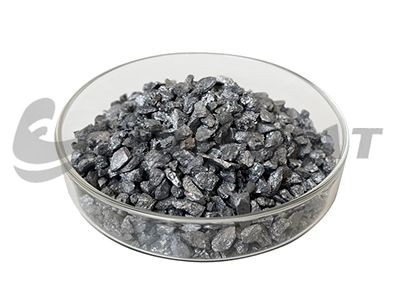


Tungsten Tube Properties and Applications
作者:kangbote 时间:2026-09-20 12:02:55
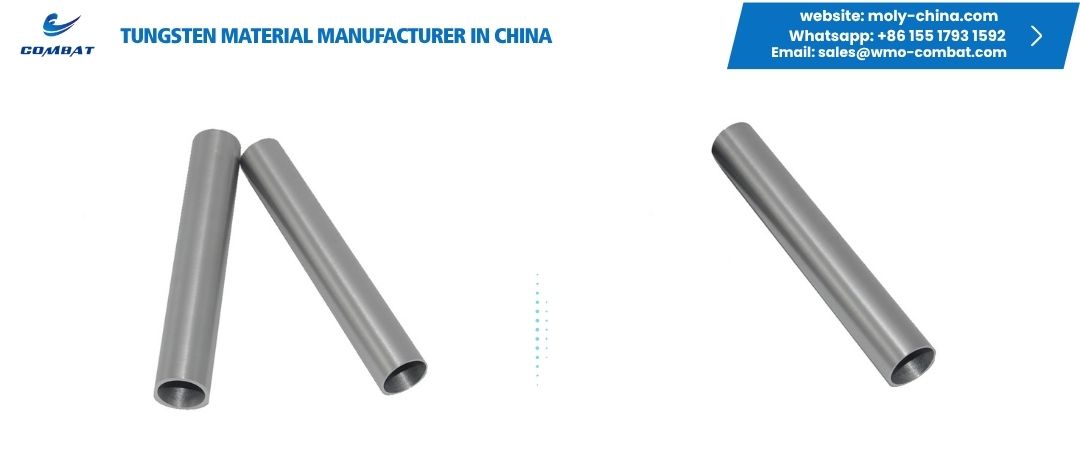
Tungsten tube (also often called tungsten tube, tungsten alloy tube, tungsten hollow tube) is a refractory metal hollow component with strong comprehensive performance in the industrial field. With its ultra-high melting point, excellent high-temperature structural stability, extremely low thermal expansion coefficient and vapor pressure, tungsten tubes are used in vacuum heat treatment, semiconductor manufacturing, crystal growth, nuclear radiation protection, aerospace and other high-end fields. This article will fully explain the parameters, performance, manufacturing process and application of tungsten tubes, and provide professional reference for engineers and procurement personnel.
What is Tungsten Tube?
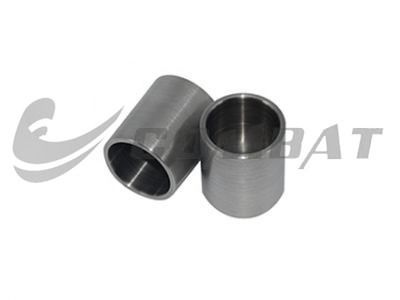
Tungsten tube is a hollow cylindrical tube component made of high purity tungsten or tungsten alloy raw materials through powder metallurgy combined with precision machining. Industry mainstream product purity of up to 99.95% and above, ultra-high purity custom purity can be increased to 99.99%, to meet the needs of ultra-precision industrial scenarios.
Compared with ordinary metal tube, the biggest core advantage of tungsten tube is to adapt to all kinds of harsh extreme conditions. In the environment of high temperature vacuum, inert gas protection, ray radiation and strong corrosive medium, the ordinary metal tube fails quickly, while the tungsten tube can maintain the structural integrity and stable performance for a long time.
Key Dimensions of High Purity Tungsten Tubes
The size of the tungsten tube directly determines the equipment assembly accuracy, fluid flow capacity, structural bearing strength and protection performance.
Extremely High Melting Point
Outer diameter (OD) refers to the outer diameter of the tube, the size span is very large, adapt to different equipment needs. The outer diameter of small precision tungsten tube is only about 3mm, and the outer diameter of large sintered tungsten tube can reach 500mm and above. Large-diameter tubes are mostly produced by sintering process, while small-diameter precision tubes are mainly based on solid tungsten rod drilling and machining process.
The inner diameter (ID) is the hollow aperture of the tube, which directly determines the internal fluid circulation space, the sensor assembly gap and the effective volume of the cavity. In scenarios such as semiconductor ventilation, thermocouple tube protection, vacuum coating, etc., the accuracy of the inner diameter directly affects the stability of equipment operation and process accuracy.
The wall thickness is the radial wall thickness of the tube, and the general calculation formula of the industry is: wall thickness = (outer diameter-inner diameter) ÷ 2. The conventional wall thickness covers 0.3mm to 30mm, and 0.3-0.5mm is thin-walled precision tube, which is mainly used for light weight and high precision. 10-30mm is thick-walled tube, focusing on structural strength and radiation shielding performance.
The conventional length of the tube is concentrated in hundreds of millimeters to 1-2 meters, and the extension can be customized according to the equipment requirements. The ultra-long tube can be pieced or customized to meet the assembly needs of large high-temperature furnaces and aerospace equipment.
Special structure and processing form
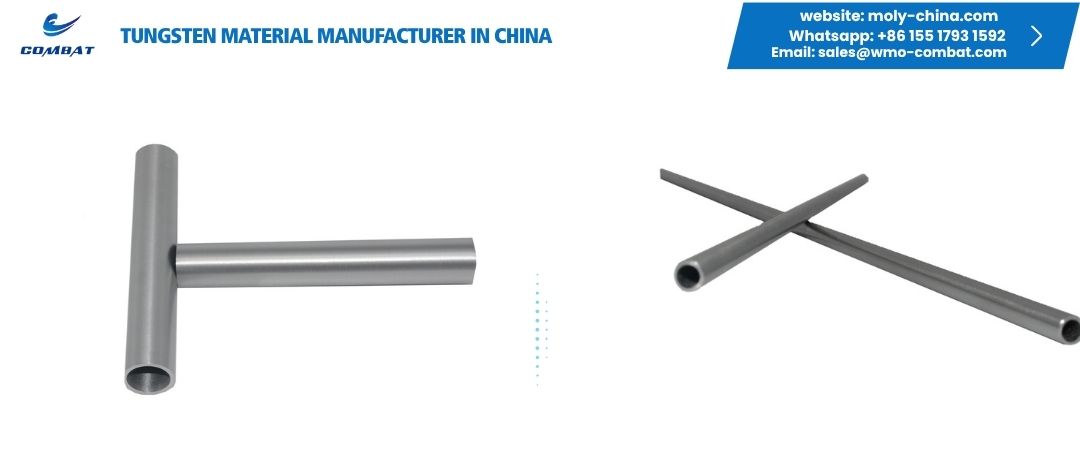
The most commonly used on the market is a straight-through cylindrical tungsten tube, which is suitable for most general industrial scenarios. At the same time, it supports custom tungsten tubes, including single-ended closed tungsten tubes, H-shaped structural tubes, square/rectangular/oval special-shaped cross-section tubes, and special-shaped precision components such as rings, sleeves, nozzles, etc.
Unlike standard tube, tungsten tube almost all support on-demand customization. Tungsten tube manufacturers can produce according to customer drawing parameters, without being limited to fixed specifications, and can accurately match the use needs of various non-standard high-end equipment.
Physical and Chemical Properties of Tungsten Tube
The excellent working condition adaptation ability of tungsten tube stems from the extreme physical and chemical properties of tungsten metal itself. A variety of high-performance superposition, so that tungsten tube becomes the preferred tube under extreme conditions, different from molybdenum, tantalum, graphite and other conventional high-temperature resistant materials.
Extreme high temperature resistance
Tungsten has a melting point of 3422 ℃, which is the highest melting point metal known at present, far exceeding steel, copper, titanium alloy and other refractory metals. This feature allows the tungsten tube to have a strong high temperature tolerance. In the vacuum or inert gas protection environment, the tungsten tube can be long-term stable operation in 2000-2500 ℃ ultra-high temperature environment, there will be no softening, melting, collapse and other problems, is the core of high temperature furnace, crystal growth equipment core accessories.
Excellent high temperature strength
When the ambient temperature exceeds 1650 ℃, the tensile strength of tungsten metal is much higher than that of all other industrial metals, and the high temperature bearing performance has a significant advantage. At the same time, the tungsten tube has excellent creep resistance and can withstand high temperature thermal load and mechanical load for a long time. Under continuous high temperature and repeated thermal cycle conditions, the tungsten tube will not have problems such as sagging, warping, deformation, etc., and the dimensional stability is extremely strong, which can ensure the long-term high-precision and stable operation of high-end equipment.
Ultra high density
The density of tungsten tubes can reach 19.25-19.3g/cm³, which is nearly twice that of steel, and the density is close to heavy metals such as gold and uranium. It can provide super-large mass in a very small volume, which is suitable for the counterweight and shielding requirements of lightweight and compact equipment.
High temperature ultra-low vapor pressure
Tungsten has the lowest vapor pressure of all metals. At a high temperature of 2000°C, its vapor pressure is only 10 the Pa level, and there is almost no high-temperature evaporation loss. This feature completely avoids the problem of high temperature volatilization and pollution of the cavity of the tube, and can maintain the ultra-high cleanliness of the vacuum furnace, semiconductor coating, and precision crystal growth equipment, and extend the service life of the equipment.
Excellent thermal and electrical conductivity
At room temperature, the thermal conductivity of tungsten can reach 170-175W/(m · K), and the heat transfer is uniform and efficient, which can effectively avoid the stress damage caused by local heat accumulation and excessive temperature difference of tungsten tube. Even if the temperature rises, the thermal conductivity decreases slightly, which is still better than most high temperature resistant materials. At the same time, tungsten has good conductivity, the conductivity of silver 28%-31%. Combined with the advantage of ultra-high melting point, tungsten tubes can be used as high-temperature resistance heating components, current-carrying components, suitable for other conductive metals can not serve the ultra-high temperature environment.
Very low coefficient of thermal expansion
The coefficient of linear thermal expansion of tungsten is only 4.5 × 10⁻⁶/K, which belongs to the metal material with very small thermal deformation. Under the conditions of rapid heating, rapid cooling and frequent thermal cycling, the size of the tube changes little.
This feature significantly reduces the risk of thermal stress cracking, structural loosening, and assembly failure, and is particularly suitable for high-end precision equipment with precision assembly and multi-material combination.
Corrosion resistance and environmental restrictions
Under normal temperature and medium temperature environment, pure tungsten tube is resistant to acid and alkali corrosion, molten metal erosion, will not rust, is not easy to be corroded by the medium, and has excellent chemical stability.
However, tungsten has obvious short boards: in an aerobic environment, the temperature exceeds 400-500 ℃ and will gradually oxidize to generate tungsten trioxide; the temperature continues to rise, and the oxidation product will sublimate and volatilize, causing tube loss. Therefore, the high temperature working condition of the tungsten tube must be used with vacuum, inert gas (argon, helium) or reducing gas environment.
Pure Tungsten vs. Tungsten Alloys Tubes Difference
In addition to pure tungsten material, there are many mainstream tungsten alloy tube on the market, including tungsten nickel iron (W-Ni-Fe), tungsten nickel copper (W-Ni-Cu), tungsten lanthanum (W-La) and so on. Different alloy formulations can optimize the toughness, processing performance and high temperature creep resistance of the tube, and adapt to the needs of different operating conditions.
|
Aspect |
Pure Tungsten |
Tungsten Alloys (Heavy / Doped) |
|
Melting / max service temp |
Highest (~3,422 °C / up to ~2,500 °C+) |
Lower (heavy alloys typically <1,450 °C) |
|
Density |
~19.3 g/cm³ (theoretical) |
17.0–18.5 g/cm³ (heavy alloys) |
|
Room-temp ductility |
Low (brittle) |
Significantly better |
|
Machinability |
Difficult |
Much easier |
|
High-temp strength/creep |
Superior |
Good but lower ceiling |
|
Purity / contamination risk |
Lowest |
Higher (depends on alloy) |
|
Cost for complex shapes |
Higher |
Generally lower |
|
Best for |
Extreme temperature + purity |
Strength + toughness + fabricability |
How Are Tungsten Tubes Manufactured?
Due to the extremely high melting point of tungsten metal, it is impossible to use traditional smelting and casting processes for production. The industry uses powder metallurgy processes to prepare tungsten tubes, with precision post-processing procedures to ensure the purity, density and accuracy of the finished product.
Powder preparation and pre-treatment of ingredients
The raw material for production is high-purity tungsten powder with a purity of not less than 99.95, which is prepared by hydrogen reduction process of tungsten oxide with uniform particle size and extremely low impurity content. If the production of alloy tungsten tube, will be in proportion with nickel, iron, copper, lanthanum and other alloy powder, fully mixed evenly.
High pressure pressing molding
The mainstream molding process in the industry is cold isostatic pressing, and the molding pressure can reach 170-240MPa(25000-35000psi). All-round uniform pressure, so that the powder compact, the preparation of uniform density, high concentricity of the tubular green body. The conventional tungsten tube with simple structure can adopt unidirectional pressing process, and the production efficiency is higher. The formed green body has a preliminary tubular structure, but the texture is brittle and the porosity is high, which requires subsequent sintering and densification treatment.
High temperature sintering densification
The tubular green body needs to be sintered at high temperature under hydrogen protection or vacuum environment, the sintering temperature is stable at 2000-2500 degrees C, and the sintering temperature of ultra-high purity tube can be increased to 2800 degrees C.
During the sintering process, the tungsten powder is closely combined through solid-state diffusion, the internal pores are greatly eliminated, and the overall shrinkage of the tube is about 15%. The density is increased from about 60% of the green body to 90%-98% of the theoretical density, and the mechanical properties and high temperature resistance are greatly improved. Large-diameter tungsten tubes (outer diameter> 80mm) are mostly formed by the whole sintering process, while small-diameter precision tubes are mostly formed by sintering solid tungsten rods first, then drilling and machining deep holes.
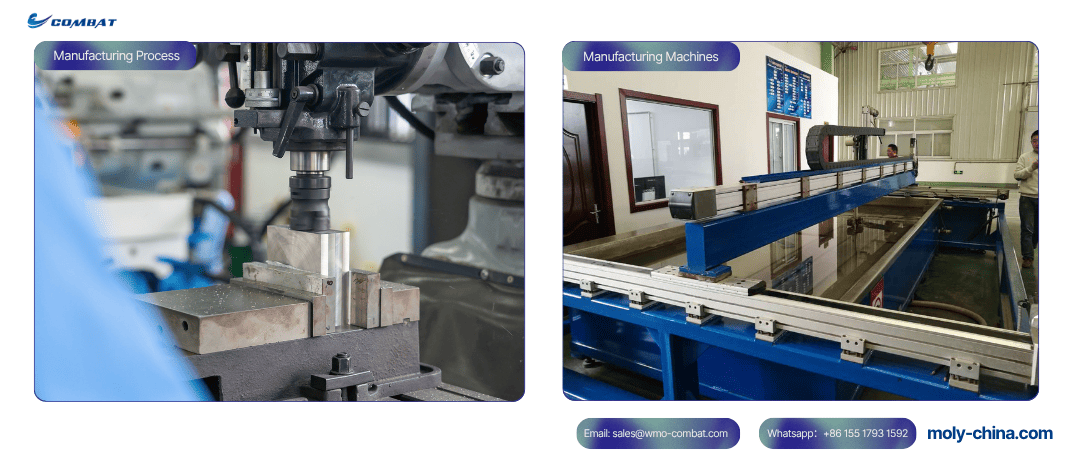
Precision Machining and Surface Finishing
The sintered tungsten tube has high hardness, high brittleness at room temperature, and ordinary tools are difficult to process. Cemented carbide or diamond coated tools are required for low-speed processing. At the same time, the workpiece can be preheated to 200-400 ℃ to reduce the risk of edge chipping and cracking.
Conventional finishing processes include turning, boring, milling, deep hole drilling, and electric discharge machining (EDM), which can accurately control the inner and outer diameters, wall thickness and straightness. The process of heartless grinding and diamond polishing can achieve high-precision surface treatment, and the surface roughness Ra can be controlled within 0.8μm.
Finally, according to the needs of cutting, chamfering, thread processing, face sealing and other customized processes, through ultrasonic cleaning, size testing, density testing, appearance quality inspection, become qualified products.
Industrial Applications of Tungsten Tube
Relying on the comprehensive advantages of high temperature resistance, high cleanliness, radiation resistance and dimensional stability, tungsten tubes are widely used in high-end precision industrial fields and are the core of rigid accessories under extreme working conditions.
Vacuum and high temperature industrial furnace equipment
Tungsten tubes are used as resistance heating elements, radiant heating components, and heat insulation support structures in ultra-high temperature vacuum furnaces and inert atmosphere furnaces above 2000°C. They can also be used as high-temperature ventilation tubes and equipment load-bearing supports. Long-term operation does not deform or pollute the furnace cavity.
Semiconductor and Precision Electronics Manufacturing
High purity tungsten tube in CVD, MOCVD, plasma etching, ion implantation and other semiconductor equipment, used as a gas distribution nozzle, cavity liner, precision ventilation components. The characteristics of plasma erosion resistance, precursor gas corrosion resistance and no impurity precipitation can guarantee the ultra-high cleanliness of semiconductor process. Tungsten tubes are used in X-ray tubes, electron beam equipment, and high-temperature electronic components to adapt to the extreme precision conditions of electronic manufacturing.
Sapphire and Single Crystal Growth
Crystal growth equipment requires high temperature gradient, structural stability and cleanliness. Tungsten tube can be used as crucible support shaft, seed crystal fixing rod, heat insulation suspension component, air flow control tubeline, accurately maintain the temperature stability in the furnace.
Its excellent thermal cycle resistance can effectively avoid crystal defects caused by temperature fluctuations and greatly improve the yield and quality of single crystal products.
Nuclear Industry and Radiation Protection
With ultra-high density and ray attenuation capabilities, tungsten tubes are processed into shielding sleeves, collimator liners, and nuclear instrument protection components. Compared with the traditional lead protective accessories, tungsten tube has smaller volume, higher protection efficiency and better environmental protection.
Tungsten tubes are widely used in medical imaging equipment, nuclear testing instruments, and local radiation protection scenarios for small nuclear systems.
High Temperature Measurement and Thermocouple Protection
The single-ended closed tungsten tube is the core protective casing of high-end thermocouple, which can be isolated from high-temperature molten metal, corrosive gas, dust and other harsh media. It can ensure accurate, stable and long-term service of thermocouple temperature measurement in ultra-high temperature environment above 2000 ℃.
Vacuum coating and evaporation equipment
In PVD physical vapor deposition and vacuum evaporation coating equipment, the tungsten tube can be used as an evaporation source heating component, a cavity support structure, and a heat conduction component. High temperature, no volatile, no impurity precipitation characteristics, can ensure that the coating layer is uniform and pure, to prevent equipment pollution.
Aerospace and defense high-end equipment
Tungsten and tungsten alloy tubes are used for rocket engine linings, high-temperature ignition tubes, aviation heat exchangers, and heat-resistant components of propulsion systems. It can withstand the extreme high temperature and severe thermal stress generated by the high-speed operation of the aircraft, and ensure the stable operation of high-end equipment.
Tungsten Tube vs. Other High-Temperature Tubing Materials
Common tube materials for high temperature conditions include tungsten, molybdenum, tantalum and graphite. The performance, cost and adaptation scenarios of 4 materials vary greatly. Accurate comparison can help engineers quickly complete the selection.
Tungsten tube VS molybdenum tube
The melting point of molybdenum tube is about 2623 ℃, which is much lower than that of tungsten tube, and 1800-2000 ℃ is the upper limit of its use. High temperature strength, density and thermal conductivity are weaker than tungsten tubes, but molybdenum tubes have better room temperature toughness, lower processing difficulty, lower cost and lighter weight.
Selection suggestion: tungsten tube is preferred for ultra-high temperature, high load and radiation shielding scenes above 2000 ℃; molybdenum tube is optional for scenes with medium and high temperature below 1800 ℃ and in pursuit of cost performance and easy processing.
Tungsten tube VS tantalum tube
The melting point of tantalum tube is about 3000 ℃, which is lower than that of tungsten tube, and the density is 16.6g/cm³, which is also weaker than that of tungsten tube. The core advantages of tantalum are excellent room temperature toughness, good welding performance, and stronger resistance to liquid medium corrosion.
Selection suggestion: tungsten tube is selected for extreme high temperature resistance, high strength and high shielding requirements; Tantalum tube is selected for scenes that attach importance to tube shaping processing and liquid corrosion protection.
Tungsten tube VS graphite tube
Graphite has no melting point, sublimation at 3650 ℃ under normal pressure, wide range of high temperature resistance, extremely light weight, low cost and easy processing. However, graphite has high vapor pressure at high temperature, is prone to carbon pollution, and has poor structural strength and dimensional stability.
Selection recommendations: ordinary high temperature, cost sensitive, no ultra-high clean requirements of the scene optional graphite tube; ultra-high clean vacuum, high precision, high structural strength, low pollution requirements, must choose tungsten tube.
How to Choose the Right Tungsten Tube?
Tungsten tubes are mostly customized products, and the matching degree of parameters directly determines the use effect and service life.
Define the Operating Temperature
The continuous operating temperature and peak instantaneous temperature of the equipment shall be defined. 2000-2500 ℃ extreme high temperature conditions, preferred use of high purity tungsten tube, to ensure high temperature strength and low vapor pressure characteristics. The temperature is lower than 1800 ℃ and the budget is limited, which can be compared with the comprehensive cost performance of molybdenum tube.
Clear working atmosphere environment
Tungsten tube is strictly prohibited in aerobic high temperature environment for long-term use, easy oxidation loss. Vacuum, argon/helium inert atmosphere, hydrogen reducing atmosphere is the standard adaptation environment of tungsten tube. If the aerobic high temperature environment cannot be avoided, it is necessary to match the protective process or replace the adapter material in advance.
Approved parameters of tungsten tube
Determine the outer diameter, inner diameter, wall thickness and overall length according to the assembly requirements, and specify the dimensional tolerance, concentricity and straightness requirements. Precision equipment needs to be marked with high-precision tolerances and mirror polishing requirements, and ordinary industrial equipment can be used to control costs by sintering roughing styles.
Select tungsten material purity and alloy type
Conventional industrial scenarios use 99.95 percent high purity tungsten tubes to meet demand. Semiconductor, high-end crystal growth, ultra-vacuum equipment, it is recommended to use 99.99 ultra-high purity tungsten tube to eliminate trace impurity pollution.
Need to improve toughness, processing performance, creep resistance, can choose W-La, W-Ni-Fe and other alloy tungsten tube, adapt to complex assembly and high frequency thermal cycle conditions.
Evaluate mechanical and thermal loading conditions
For pressure, load-bearing, high-frequency thermal shock, long-term creep conditions, priority is given to thick-walled, high-densification tungsten tubes to improve structural stability. At the same time, attention should be paid to protection during installation and handling to avoid damage caused by brittleness at room temperature.
Standardize the surface process of tungsten tube
Select surface processes such as sintering blank, fine grinding and mirror polishing as required, and specify details such as end face processing method, sealing requirements and thread specifications. A complete list of parameters helps manufacturers to produce accurately and strictly control product accuracy, lead time and cost.
Frequently Asked Questions of Tungsten Tube
Q1: What is the main purpose of tungsten tube?
Tungsten tubes are used in harsh industrial scenarios of ultra-high temperature, high vacuum, high cleanliness and radiation protection. The core includes high temperature furnace heating and structural accessories, semiconductor ventilation components, crystal growth equipment accessories, thermocouple protection tubes, vacuum coating components, nuclear radiation protection components, aerospace high temperature resistant accessories, etc.
Q2: Tungsten tube can withstand the highest temperature?
The melting point of tungsten metal is 3422 ℃. Under vacuum or inert atmosphere, the high purity tungsten tube can work stably for a long time at 2000-2500 ℃, and the short-term peak temperature can be higher. Aerobic environment above 500 ℃ will be oxidized, can not be long-term service.
Q3: Tungsten tube is suitable for vacuum equipment use?
It fits perfectly. Tungsten tube high temperature vapor pressure is extremely low, the amount of gas is extremely small, no impurity precipitation, strong structural stability, is the core of ultra-high vacuum equipment, precision vacuum process preferred materials, can maintain the cleanliness of the cavity for a long time.
Q4: Whether the tungsten tube will be oxidized at high temperature?
Will. Tungsten chemical stability at room temperature, no rust, corrosion resistance. When the temperature exceeds 400-500 ℃, it starts to slowly oxidize, and the oxidation product above 800 ℃ sublimates rapidly, causing the tube loss and failure, so the high temperature use must be matched with a protective atmosphere.
Q5: What is the difference between pure tungsten tube and tungsten alloy tube?
Pure tungsten tube has high purity, extreme high temperature resistance, lowest vapor pressure and best structural stability, but it is brittle at room temperature and difficult to process. The tungsten alloy tube sacrifices the upper limit of high temperature resistance, greatly improves the toughness, processing performance and comprehensive mechanical properties, and adapts to conventional complex conditions.
Q6: Does tungsten tube support non-standard customization?
Support. The vast majority of tungsten tubes on the market are customized production, which can be customized according to the needs of the outer diameter, inner diameter, wall thickness, length, purity, end face process, special-shaped structure, all-round adaptation of all kinds of non-standard high-end equipment requirements.
Conclusion
With the world's top high temperature resistance, ultra-high structural stability, ultra-low vapor pressure, excellent thermal conductivity and radiation shielding ability, tungsten tube has become an irreplaceable core tube component under extreme industrial conditions. For custom tungsten tubes, engineers should provide the material grade, OD, ID, length, operating temperature, working atmosphere and dimensional tolerances when requesting a quotation. Contact us for the best tungsten tube.