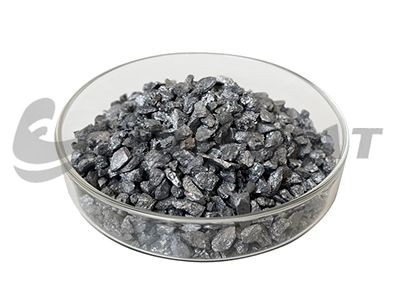


WNiFe vs WNiCu: Which Tungsten Heavy Alloy Should You Choose?
作者:kangbote 时间:2026-09-09 11:42:06
Tungsten heavy alloy is an indispensable high-density functional material in modern high-end manufacturing. With ultra-high density, excellent ray shielding ability, stable mechanical properties and good processability, it is widely used in aerospace counterweights, industrial radiation protection, precision medical equipment, military kinetic energy components, high-end molds and other core scenes. WNiFe (tungsten-nickel-iron alloy) and WNiCu (tungsten-nickel-copper alloy) as two common tungsten heavy alloys, what is the difference, how to choose.
Why Tungsten Heavy Alloy Grade Selection Matters
Tungsten heavy alloy with high purity tungsten as the matrix, with nickel-iron or nickel-copper composite bonding phase molding, by adjusting the proportion of tungsten content, to achieve the density, ductility, structural strength, processing performance, magnetic and ray shielding capacity of the dynamic balance. According to the difference of tungsten content and density in the industry, tungsten heavy alloy is divided into four standard grades. The gradient change from Class1 to Class4 is the core basis for the selection of tungsten heavy alloy.
- Class1 tungsten heavy alloy: the tungsten contentis 90%, and the nominal density is 17.0 g/cm. It has the best ductility and processing performance of the whole system and is suitable for processing complex special-shaped structural parts.
- Class 2 tungsten heavy alloy: the tungsten content is 92.5%, the density is about 17.5 g/cm, and all properties are balanced.
- Class3 tungsten heavy alloy: the tungsten content is 95%, the density can reach 18.0 g/cm, and the density and ray shielding performance are greatly improved.
- Class4 tungsten heavy alloy: the tungsten content is 97%, and the density can reach up to 18.5 g/cm. It is a standard tungsten heavy alloy medium density ceiling, which is extremely suitable for compact high-load components.
To put it simply, accurate grade selection directly determines the operational reliability, processing cost, environmental adaptability and long-term service life of components.
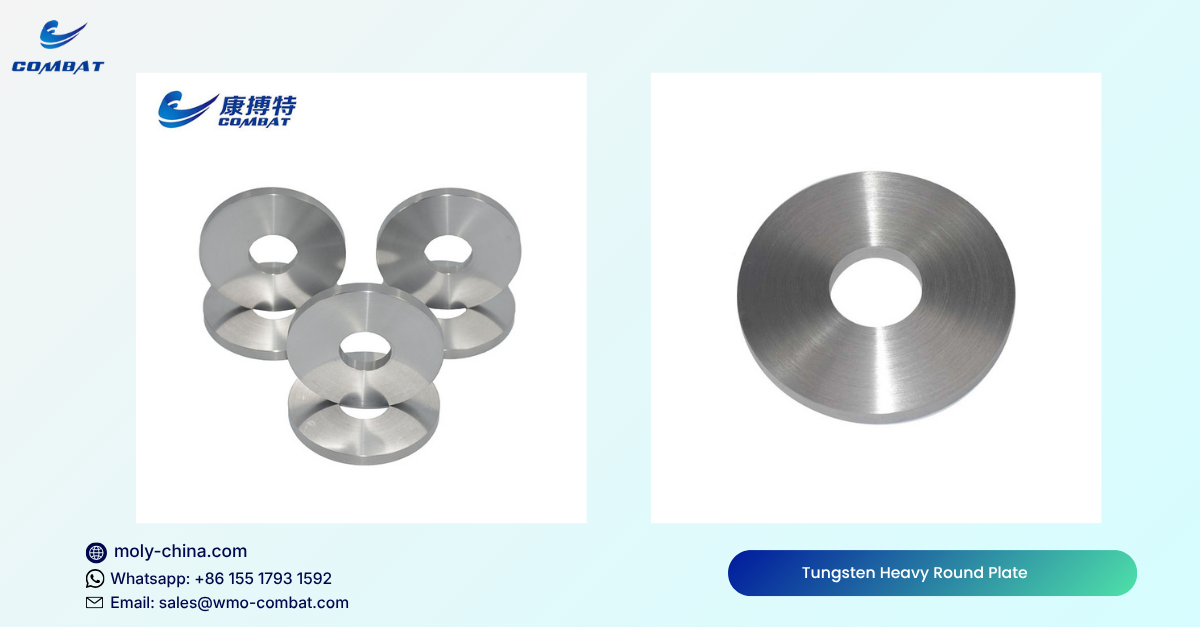
WNiFe Tungsten-Nickel-Iron Alloy: Properties And Grades
WNiFe tungsten-nickel-iron alloy is currently the most widely used and technologically mature tungsten heavy alloy category in the market, occupying the mainstream share of industrial tungsten alloy applications.
The material is formed by liquid phase sintering powder metallurgy process with 90%-97% high purity tungsten particles as the matrix and the classic 7:3 ratio of nickel-iron binding phase.
Relying on mature production technology and stable formula system, WNiFe all grades are strictly in line with ASTM B777, AMS 7725, MIL T 21014 authoritative standards, batch stability is extremely strong, can mass production of all kinds of standard profiles and customized precision components.
Common Tungsten-Nickel-Iron Alloy Grades
The following table summarizes the key technical parameters of each Class of WNiFe alloy:
|
WNiFe Grade |
Tungsten Content |
Density (g/cm³) |
Minimum Tensile Strength |
Elongation |
Hardness HRC |
Typical Applications |
|
Class1 |
90% |
17.0 |
758 MPa |
≥5% |
32 33 |
Complex special shaped parts, components requiring high ductility |
|
Class2 |
92.5% |
17.5 |
758 MPa |
≥5% |
32 33 |
General counterweights, ordinary radiation shielding, well balanced overall performance |
|
Class3 |
95% |
18.0 |
724 MPa |
≥3% |
33 34 |
High density counterweights, ray shielding components |
|
Class4 |
97% |
18.25 18.85 |
689 MPa |
≥2% |
34 35 |
Ultra compact counterweights, ultra high density shielding parts |
Properties of WNiFe Alloy
The core competitive advantage of WNiFe alloy is focused on comprehensive mechanical properties. WNiFe has high tensile strength, fracture toughness, impact resistance, fracture toughness up to 2 times the same level WNiCu, can withstand alternating load, impact pressure and mechanical vibration. At the same time, the material has excellent processing performance, without special equipment, using conventional carbide tools to complete turning, milling, drilling, tapping and other precision processing.
At the functional level, tungsten-nickel-iron alloy has a ray shielding capability comparable to pure tungsten. In addition, the material has excellent thermal stability, low thermal expansion coefficient, excellent high temperature strength performance, and good resistance to conventional corrosion, cost performance and adaptability far exceed other high-density alternative materials.
WNiCu Tungsten-Nickel-Copper Alloy: Properties And Grades
WNiCu tungsten nickel copper alloy is a non-magnetic tungsten heavy alloy developed for special precision conditions, and is a special complementary category of WNiFe. The matrix of WNiCu tungsten-nickel-copper alloy is also 90%-95% tungsten particles, and 97% ultra-high density grade is produced in a very small amount. The binder phase uses a nickel-copper alloy system, and the conventional nickel-copper ratio is 3:2 to 4:1.
The material is also produced by liquid phase sintering powder metallurgy process, in line with ASTM B777 and other international standards. The core positioning is to make up for WNiFe's magnetic short board and adapt to all precision industrial scenarios where magnetic field interference is prohibited.
Common Grades of Tungsten-Nickel-Copper Alloys
|
WNiCu Grade |
Tungsten Content |
Density (g/cm³) |
Minimum Tensile Strength |
Elongation |
Hardness HRC |
Typical Applications |
|
Class1 |
90% |
16.9 17.0 |
648 MPa |
≥2% |
32 34 |
Non magnetic precision components, electronic instrument counterweights |
|
Class2 |
92.5% |
17.4 17.5 |
648 MPa |
≥2% |
32 34 |
Non magnetic counterweights, components for mild corrosion environments |
|
Class3 |
95% |
17.9 18.0 |
648 MPa |
≥1% |
33 35 |
MRI matching shielding parts, marine condition components |
|
Class4 |
97% |
— |
Very limited production |
— |
— |
Rarely available on the market, not recommended for selection |
Advantages of Tungsten-Nickel-Copper Alloy
WNiCu most core iconic advantage is completely non-magnetic, permeability infinitely close to 1.0, belonging to the industry Type1 non-magnetic tungsten alloy. In nuclear magnetic equipment, precision sensors, high-end electronic instruments and other scenarios, this feature is an irreplaceable core selection standard.
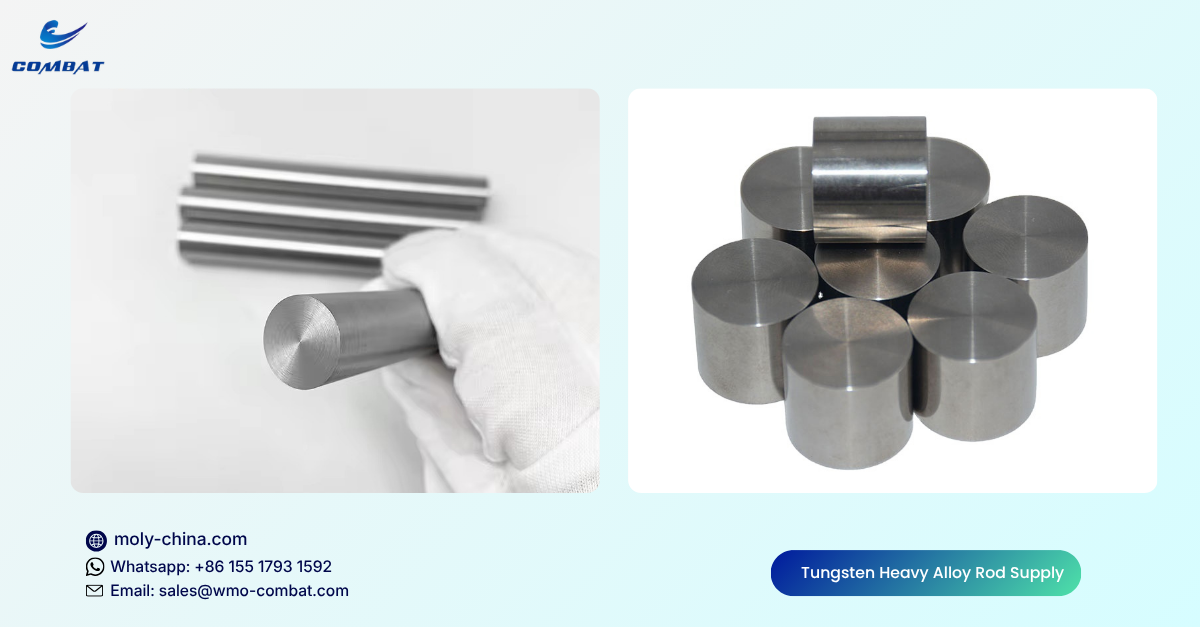
WNiFe vs WNiCu: Detailed Performance Comparison
Many users mistakenly believe that the two types of tungsten heavy alloys have essentially identical properties, differing only in name. In fact, the difference in the composition of the binder phase allows the two to form a clear division of labor in the core key performance. This section provides accurate horizontal comparisons from the six core dimensions to provide data support for the selection.
Composition and Density
The matrix tungsten content of the two tungsten heavy alloys is highly coincident, and the conventional range is 90%-95%, corresponding to a density of 16.85-18.35g/cm³, which is basically the same as the density at the tungsten content level.
The core difference lies in the ultra-high density grade layout. WNiFe with 97% tungsten content can be mass-produced stably, with a maximum density of 18.85g/cm³. However, 97% tungsten-nickel-copper alloy is produced in very small quantities, and the mainstream market only supplies 90WNiCu, 92WNiCu and 95WNiCu grades, which cannot meet the demand for extreme high-density working conditions.
Mechanical Properties Contrast
Mechanical properties represent the core area of strength for WNiFe. At the same level, the tensile strength, elongation and fracture toughness of WNiFe are in the lead, among which the fracture toughness gap is the most obvious. The fracture toughness of 95WNiFe can reach 80MPa √ m, while that of 95WNiCu is only about 47MPa √ m.
The yield strength of the two alloys is basically the same, both ≥ 517MPa, and the hardness range is close to HRC32-35. However, WNiFe has stronger plasticity and impact resistance, higher processing fault tolerance rate, and is not easy to crack and fail in operation, which is more suitable for dynamic load conditions.
Comparison of Magnetic Properties
Magnetic properties are the most fundamental criterion for distinguishing between the two alloys and serve as the primary basis for material selection. Because WNiFe contains iron elements, it has weak magnetism and will be slightly adsorbed by the magnetic field, so it cannot be used around the magnetic sensitive equipment.
WNiCu does not contain ferromagnetic elements, magnetic permeability ≈ 1.0, completely non-magnetic, does not produce magnetic field interference, does not absorb magnetic impurities, is the only tungsten alloy choice for nuclear magnetic, precision sensing and high-end electronic equipment.
Thermal Conductivity, Electrical Conductivity And Corrosion Resistance
WNiCu exhibits superior environmental adaptability and thermal conductivity. The copper element improves the thermal and electrical conductivity of the material, has higher heat dissipation efficiency, and is suitable for precision heating components.
In the humid, marine, weak acid and alkali corrosion environment, the chemical stability of nickel copper bonding phase is stronger, not easy to oxidation corrosion, long-term service life is better than WNiFe, suitable for outdoor, coastal and other harsh conditions.
Comparison of Machinability
Both alloys are easy to process tungsten-based materials, far superior to pure tungsten, and can be processed by conventional carbide tools. However, the processing tolerance varies significantly.
WNiFe alloy has higher toughness, is not easy to crack and crack when roughing, intermittent cutting and high feed processing, and has better processing stability. It is suitable for batch roughing and structural parts processing. WNiCu is more suitable for low-speed, fine and stable finishing, which can achieve higher surface finish.
How To Choose Tungsten Heavy Alloy According To Different Application?
There is no absolute difference between WNiFe and WNiCu alloys, only the difference between tungsten copper alloy application scenarios.
Tungsten Heavy Alloy in Radiation Shielding Applications
The core determinant of ray shielding is material density. Under the same tungsten content and the same density, the X-ray and γ-ray attenuation efficiency of WNiFe and WNiCu are basically the same, and there is no obvious difference in shielding effect, which is 1.5-1.7 times that of lead material, and is non-toxic and structurally stable.
WNiFe is used in non-magnetic confinement scenarios such as general industrial shielding, CT equipment shielding, mobile shielding covers, and transportation protection tanks. With stronger toughness and impact resistance, WNiFe can avoid cracking and damage of shielding components during handling and use, and has more choices of ultra-high density grades and higher cost performance.
WNiCu is used for MRI nuclear magnetic equipment supporting shielding, precision detector peripheral shielding, magnetic sensitive medical equipment shielding scene. The non-magnetic characteristics of WNiCu can completely eliminate magnetic field interference and ensure the detection accuracy and operation stability of precision equipment.
Tungsten Heavy Alloy in Industrial applications
WNiFe alloy is usually used in aerospace, automotive, precision machine tool counterweight, counterweight, cutter bar, kinetic energy penetrating parts, vibration load components. This kind of scene requires high structural strength, toughness and fatigue resistance, and the mechanical advantages of WNiFe alloy can effectively avoid deformation, cracking and failure problems after long-term operation.
WNiCu alloy is used for sensor housing, precision electronic counterweight, noise reduction counterweight inside the instrument, marine working condition parts and other scenarios. Relying on non-magnetic, corrosion resistance and high thermal conductivity, it can be adapted to precision electronic environment and humid corrosion conditions to ensure long-term stable operation of the equipment.
Differences In Production And Processing Of Tungsten Heavy Alloys
How is tungsten heavy alloy produced?
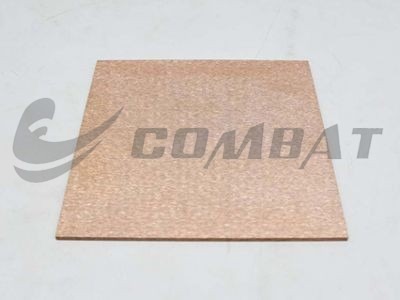
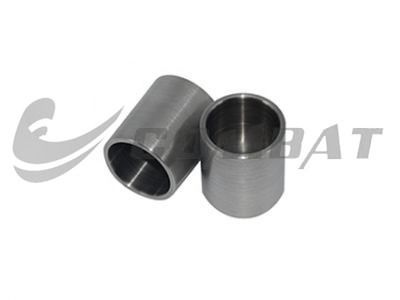
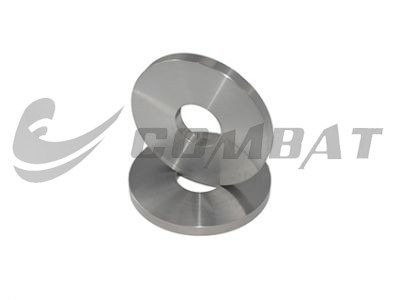
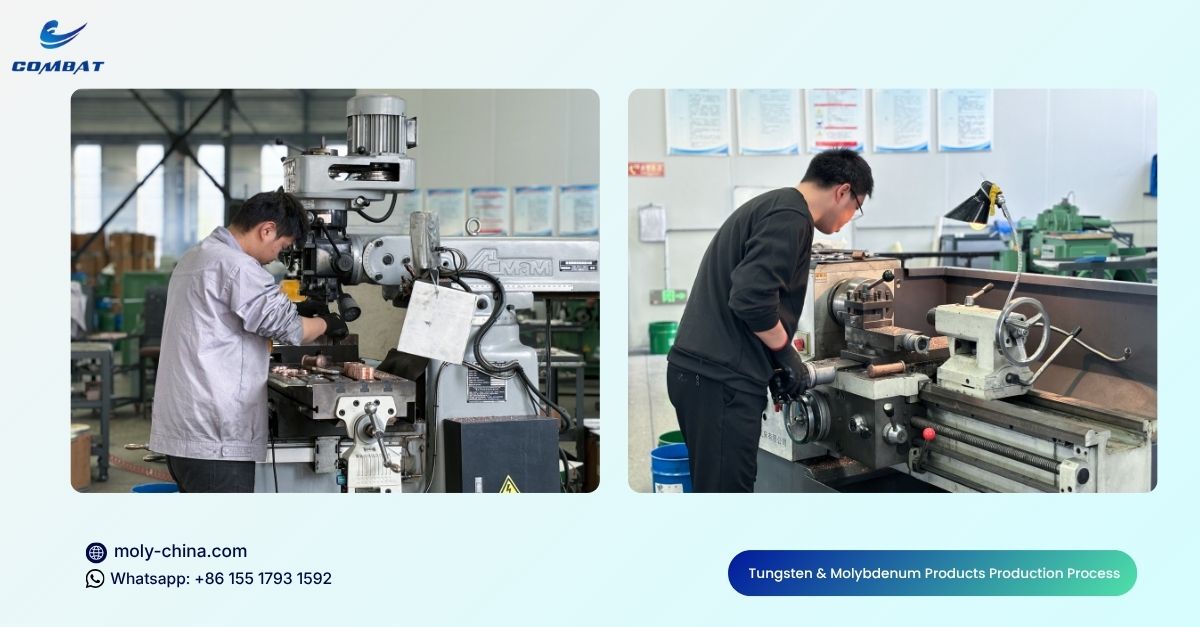
The core production processes of WNiFe and WNiCu are basically the same, both are manufactured through the process of powder ratio mixing, molding/isostatic pressing, high temperature liquid phase sintering, and subsequent finishing, which can produce tungsten heavy alloy bars, plates, blocks, near-net forming blanks and customized precision tungsten heavy alloy parts.
The slight process differences between the two are mainly reflected in the sintering temperature and the difficulty of molding. WNiCu due to the lower melting point of copper elements, sintering temperature is slightly lower than WNiFe, forming accuracy is easier to control. The sintering stability of WNiFe is stronger, and it is easier to realize the integrated molding of Class4 ultra-high density materials.
How is tungsten heavy alloy processed?
In the process of practical operation, both tungsten heavy alloys have abrasive wear characteristics. Carbide cutting tools or PCD fine turning tools must be used for processing, with sufficient rigid processing equipment to avoid vibration causing workpiece damage and rapid tool wear.
The processing parameters need to be adapted according to the tungsten content grade. Conventional cutting speed can be used to Class1-2 the low density grade of tungsten heavy alloy, while the high density grade of Class3-4 tungsten heavy alloy needs to reduce the speed, reduce the feed rate and strictly control the cutting temperature.
WNiFe alloy processing fault tolerance rate is higher, can adapt to rough machining, strong cutting, intermittent cutting conditions, suitable for large margin removal of mass production. The toughness of WNiCu alloy is low, and the rough machining is prone to chipping and micro-cracks, which is only suitable for precision finishing under stable working conditions.
In addition, the processing of the two tungsten heavy alloys is required to do a good job of dust protection, equipped with professional dust removal equipment and protective equipment. For complex inner holes and high-precision special-shaped structures, wire cutting and water knife cutting processes are preferred, which can effectively improve the processing yield and dimensional accuracy.
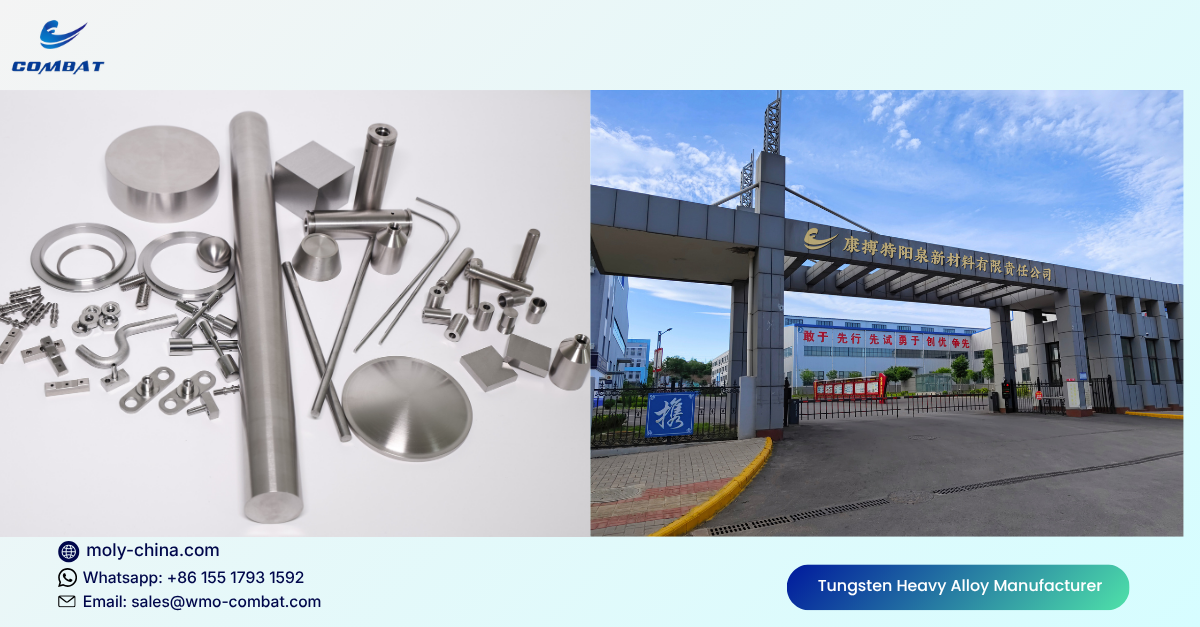
How To Choose A Reliable Manufacturer Of Tungsten Heavy Alloy?
After accurate material selection, the quality of tungsten heavy alloy suppliers directly determines the final performance, stability and service life of the parts. The quality of tungsten heavy alloy products on the market is uneven, only referring to the price selection is prone to batch color difference, uneven density, mechanical properties are not up to standard and other issues. The selection of quality suppliers can refer to the following core criteria.
- Standards compliance.Regular tungsten heavy alloy manufacturers of WNiFe alloy, WNiCu alloy products must strictly comply with ASTM B777, with ISO9001 quality system certification. Each batch of products can provide a complete material inspection report (MTR).
- Production strength.High-quality tungsten heavy alloy manufacturers need to have the full process of independent production capacity, from powder proportioning, pressing, sintering, heat treatment to CNC finishing, rather than simply trading middlemen. Own sintering furnace, precision testing equipment and CNC machining production line, in order to accurately control batch stability and product accuracy.
- Technical services and delivery capabilities.High-quality tungsten heavy alloy manufacturers can optimize the processing process according to customer conditions, customized tungsten heavy alloy product design recommendations according to drawings, batch stability of tungsten heavy alloy supply capacity, adapt to the development of samples and mass production cycle needs.
Frequently Asked Questions of Tungsten Heavy Alloy
Q1: What is the difference between WNiFe and WNiCu?
The core difference lies in the binder phase composition and magnetic properties. WNiFe using nickel-iron bonding phase, with weak magnetic, mechanical strength, higher toughness; WNiCu using nickel-copper bonding phase, completely non-magnetic, corrosion resistance, thermal conductivity is better.
Q2: Is the strength of WNiFe better than WNiCu alloy?
Yes. Under the same density and grade, the tensile strength, elongation and fracture toughness of WNiFe are higher than that of WNiCu, and the fracture toughness can be increased by nearly 1 times, and the impact resistance, fatigue resistance and cracking resistance are stronger.
Q3: Can WNiCu be completely non-magnetic?
Yes. Qualified WNiCu tungsten nickel copper alloy permeability of 1.0, is a completely non-magnetic material, without any magnetic interference, can be safely used in MRI nuclear magnetic, precision sensors, high-end electronic instruments and other magnetic sensitive scenes.
Q4: Which of the two alloys has better ray shielding effect?
Under the same density and tungsten content, the shielding effect of the two is basically the same, and there is no obvious difference in ray attenuation efficiency. The selection does not need to refer to the shielding performance, focusing on whether the working conditions allow magnetic, whether the need for structural toughness or corrosion resistance. The WNiFe Class4 rating is preferred for ultra-high density masking scenarios.
Q5: Which alloy is more corrosion resistant and more suitable for outdoor working conditions?
WNiCu has better corrosion resistance. The nickel-copper binder phase is more stable in humid, salt spray, marine, and weak corrosive environments, and is not easy to oxidize and rust, and its long-term outdoor service life is much better than WNiFe.
Q6: What are the densities of 93WNiFe and 93WNiCu?
The density of 93 series tungsten alloy is basically the same, the density of 93WNiFe is about 17.6-17.7g/cm³, and the density of 93WNiCu is about 17.6g/cm³. The density difference is negligible. The core of selection depends on performance requirements rather than density.
Conclusion
WNiFe is generally the better choice when mechanical strength, impact resistance and structural performance are the primary requirements. WNiCu is often preferred when corrosion resistance, non-magnetic behavior or enhanced thermal/electrical properties are more important. Need tungsten heavy alloy stable supply?Send us your drawing or specification, we supply cusotmized tungsten heavy alloy solution.