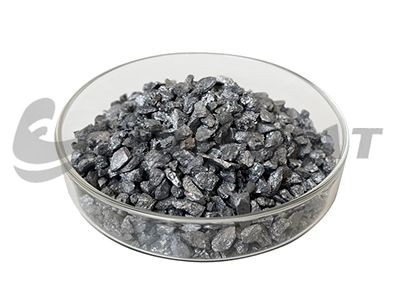


Tungsten Copper Alloy Properties and Industrial Applications: A Complete Guide
作者:kangbote 时间:2026-04-07 09:01:14
Tungsten copper alloy is a composite alloy that combines the dual advantages of tungsten and copper. With the characteristics of tungsten copper alloy, it has become an indispensable key material in many industrial fields. Combat will provide a comprehensive analysis of tungsten copper alloys and provide a complete guide to purchasing tungsten copper alloys.
What is Tungsten Copper Alloy?
Tungsten copper alloy is a composite alloy composed of two metals, tungsten and copper. It retains the high melting point, high density and high hardness of tungsten, while taking into account the excellent electrical and thermal conductivity of copper. It is an ideal material for high-end manufacturing. In commonly used tungsten copper alloys, the copper content is usually between 10%~50%, and the corresponding tungsten content is 50%~90%. The characteristics of tungsten copper alloys with different proportions of components vary significantly.
Core properties of tungsten copper alloys
High temperature resistance
Tungsten has a melting point of 3410℃, far exceeding iron's 1534℃, which also makes tungsten copper alloy extremely resistant to high temperatures. Even at extreme temperatures of thousands of degrees Celsius, it will not soften and can always maintain stable strength and hardness.
tungsten copper alloy components are used in high-temperature components in the aerospace field and high-voltage switch contacts in the electrical field.
High density
The density of tungsten copper alloy varies with the composition ratio. The density range of tungsten copper alloy is 14.98~17.3 g/cm³ (corresponding to 0.541~0.625 lb./in. ³), much higher than ordinary engineering metals.
Tungsten copper alloys with higher density are used in radiation shielding components in the medical field, etc., and can achieve higher weight requirements within a limited volume.
Thermal conductivity
Unlike the high electrical and thermal conductivity of pure copper and the low electrical and thermal conductivity of pure tungsten, the thermal conductivity of tungsten copper alloy is at a moderate level.
Tungsten copper alloy is widely used in the fields of electronics and electrical engineering. It can not only transmit current as a conductive component, but also quickly dissipate heat generated during operation to avoid component damage due to overheating.
Low thermal expansion coefficient
The thermal expansion coefficient of tungsten copper alloy is very low and remains stable in different temperature ranges. Semiconductor chips and aerospace components require extremely high dimensional accuracy, and even slightly large temperature fluctuations may cause deformation and damage. High-precision tungsten copper alloys can effectively avoid this problem.
Arc abrasion resistant
In arc environments with high voltage and high current, many metal materials will melt and lose quickly, while tungsten copper alloy can effectively resist arc erosion and extend the service life of components.
Tungsten copper alloy is an ideal material for electrical components such as high-voltage switches and electroprocessed electrodes, and can work stably under complex electrical working conditions.
Common Tungsten Copper Alloys: Classification by Composition
Different tungsten copper alloys have different composition ratios and performance focuses, as follows:
| TYPE | COMPOSITION | DENSITY ( g/cm3 ) |
THERMAL CONDUCTIVITY ( W/mK ) |
THERMAL EXPANSION ( 30-150° C ) |
THERMAL EXPANSION ( 30-400° C ) |
THERMAL EXPANSION ( 30-800° C ) |
| W75Cu25 | 75% Tungsten-25% Copper | 14.98 | 186 | 9.06 | 9.55 | 9.68 |
| W80Cu20 | 80% Tungsten-20% Copper | 15.68 | 175 | 8.21 | 8.6 | 8.63 |
| W85Cu15 | 85% Tungsten-15% Copper | 16.45 | 162 | 7.36 | 7.65 | 7.58 |
| W88Cu12 | 88% Tungsten-12% Copper | 16.95 | 155 | 6.78 | 7 | 6.86 |
| W90Cu10 | 90% Tungsten-10% Copper | 17.3 | 150 | 6.51 | 6.7 | 6.53 |
Tungsten copper alloy in the electrical industry: most widely
High voltage switch parts
The application of tungsten copper alloy in the field of high-voltage switches covers almost all types of equipment ——128kV SF6 circuit breakers, 12kV/40.5kV high-voltage vacuum load switches, lightning arresters, etc
The working environment of high-voltage switches is very complex, and the requirements for materials are extremely demanding. They are resistant to arc ablation, fusion welding, small cut-off current, small gas content, and low thermionic emission capacity. These properties are indispensable. tungsten copper alloy can meet all of these requirements and has become a core material in the field of high-voltage switches.
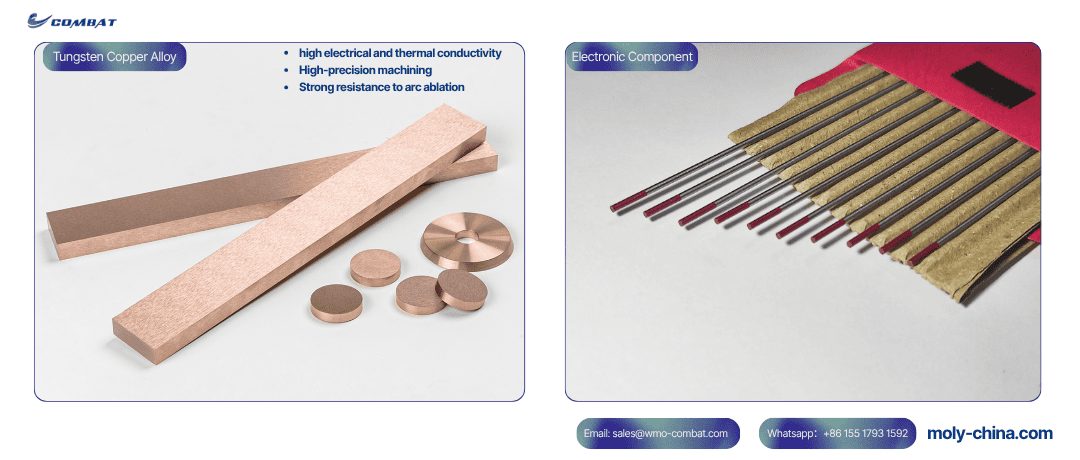
Electromachining electrodes
Early electroprocessed electrodes were mostly made of copper or graphite. Although the cost was low, they had poor ablation resistance and rapid loss. With the development of industrial technology, they have gradually been replaced by tungsten copper electrodes.
The advantages of tungsten copper electrodes are obvious: high temperature resistance, high temperature strength, and resistance to arc ablation. Coupled with good electrical and thermal conductivity and rapid heat dissipation ability, they can effectively improve the efficiency and accuracy of electrical processing and reduce electrode losses.
In the fields of mold processing, metal welding, etc., electric spark electrodes, resistance welding electrodes, and high-voltage discharge tube electrodes are mostly made of tungsten copper alloy part ——in actual applications, the loss of tungsten copper electrodes is 1/3 of that of traditional copper electrodes, which can greatly reduce production costs.
Tungsten copper alloy in the electronics and semiconductor industries
Semiconductor chip materials
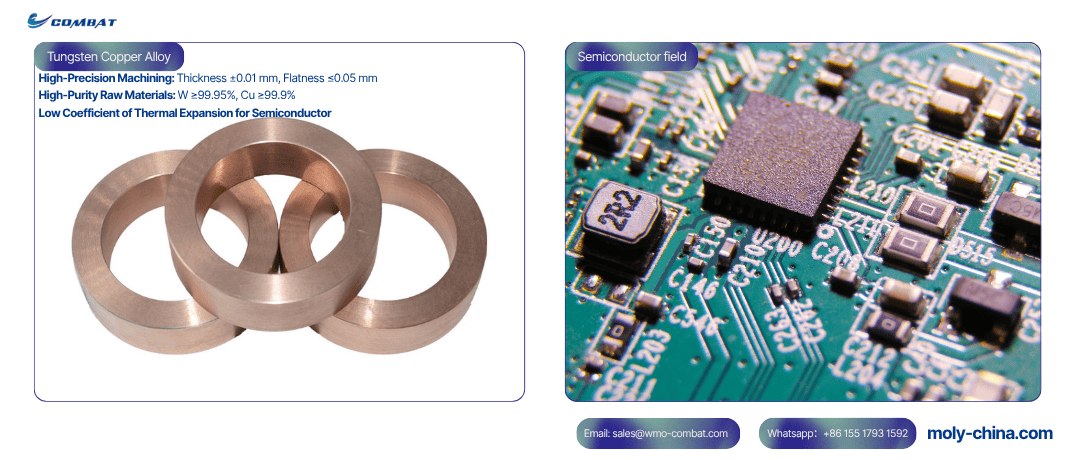
tungsten copper alloy is an indispensable core material in the field of semiconductor chip manufacturing, especially in optical modules and chip packaging.
When the chip is working, it generates a lot of heat and has extremely high requirements for dimensional stability. ——The low thermal expansion coefficient of tungsten copper alloy can ensure that it maintains structural stability in high-temperature environments and avoid chip damage due to thermal deformation; the high thermal conductivity can quickly transfer heat to the heat dissipation structure and reduce the chip operating temperature.
Electronic packaging materials
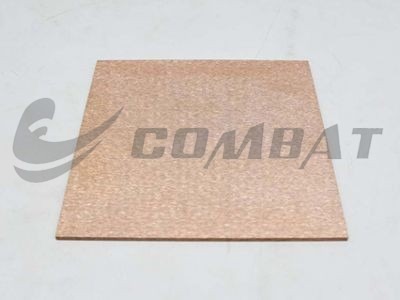
The core issues in packaging high-power electronic devices are heat dissipation and dimensional stability, and tungsten copper electronic packaging sheets can solve these two pain points.
There is an increasing demand for high-end electronic packaging materials. tungsten copper alloy sheet has become the key to realizing electronic packaging materials with its adjustable thermal expansion coefficient and conductive and thermal conductivity. In the future, as technology upgrades, its application in the field of microelectronics will become more widespread.
Tungsten copper alloy in aerospace
Most components in the aerospace field must work in extreme environments of high temperature, high pressure and high speed.
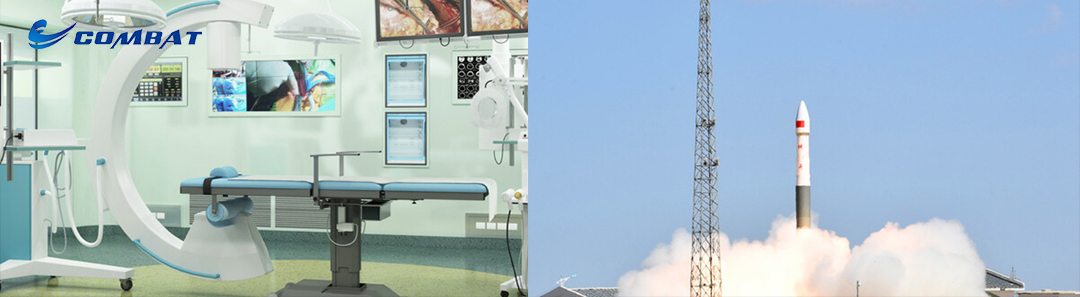
As a transient high-temperature material, tungsten copper alloy can work for short periods of time at temperatures close to the melting point of tungsten, which is the core reason why it can become the preferred material for high-temperature components of spacecraft ——currently, almost all high-temperature components of high-end spacecraft are manufactured using tungsten copper alloy.
Turbine blades, combustion chambers, gas turbines, missile nozzles and other components are all common applications of tungsten copper alloys. These components need to resist airflow scouring and ablation in a high-temperature gas environment of 2700~3300℃, maintain structural stability and intact performance.
Tungsten copper alloy in the chemical industry
Equipment in the chemical industry is exposed to high temperature, high pressure and strong corrosion environment all year round. Ordinary metal materials are easily eroded and damaged. However, tungsten copper alloy has been widely used in the chemical industry due to its excellent comprehensive properties.
High-temperature reactors, catalyst supports, chemical pipelines and other equipment can effectively resist the erosion of high temperature, high pressure and corrosive media after being manufactured with tungsten copper alloy, greatly extending the service life of the equipment and reducing maintenance costs. This is also an important means for chemical companies to reduce production costs and improve production efficiency.
Tungsten copper alloy in the machinery industry
In the machinery industry, tungsten copper alloy is mainly used to manufacture high-temperature resistant components and wear-resistant components, such as high-temperature linings of metallurgical furnaces, wear-resistant tools for machining, etc. With its advantages of high temperature resistance and high hardness, it improves the service life and working efficiency of equipment.
Tungsten copper alloy in the medical field
In the medical field, tungsten copper alloy, with its high-density advantages, is used to manufacture radiation shielding components, such as medical radiation protection plates, protective gloves, etc., which can effectively block radiation and protect the safety of medical staff and patients.
How to choose the right tungsten copper alloy?
Combat has been deeply engaged in the tungsten copper alloy manufacturing and supply industry for 17 years, providing solutions and helping customers choose the right tungsten copper alloy.
Application Environment
When choosing tungsten copper alloy, the application environment must first be considered. If it is high temperature and high pressure working conditions, choose an alloy with a higher tungsten content, such as W90Cu10, to ensure that it can withstand extreme environments; if the scene focuses on conductivity and heat dissipation, choose an alloy with a higher copper content, such as W75Cu25 and W50Cu50, to improve the conductivity and thermal conductivity.
Performance requirements
Core performance requirements determine the direction of alloy selection.
If excellent arc ablation resistance is required, high tungsten ratio alloys are preferred; if processing difficulty is the core consideration, low tungsten ratio alloys are preferred.
For example, high-voltage switch components need to give priority to arc ablation resistance, and W88Cu12 and W90Cu10 can be selected; while ordinary electromachined electrodes can be selected as W80Cu20, taking into account both performance and cost.
Cost control
When choosing tungsten copper alloy, it is necessary to balance performance and cost to avoid blindly pursuing high performance and increasing unnecessary costs. For ordinary scenarios with low performance requirements, you can choose medium and low tungsten ratio alloys; for high-end and extreme scenarios, you can choose high tungsten ratio alloys to achieve cost optimization.
Manufacturing process of tungsten copper alloy
Core manufacturing process: powder metallurgy
In current industrial production, powder metallurgy is the mainstream tungsten copper alloy manufacturing method and is also the key to ensuring stable product performance. The biggest advantage of this process is that it can accurately control the composition and microstructure of the alloy, and is suitable for the production of tungsten copper alloys of almost all specifications.
After tungsten powder and copper powder are evenly mixed in precise proportions, they are pressed to form a blank of a preset shape, and then sintered at high temperature to tightly combine the powder particles ——the whole process seems simple, but in fact it requires extremely high control of the powder mixing uniformity and sintering temperature. The slightest deviation will affect the final performance.
Auxiliary manufacturing processes
Not all tungsten copper alloys use a single powder metallurgy method, and different auxiliary processes will be used according to the toughness and density requirements of the product.
The infiltration method is the most commonly used one. First, a porous tungsten skeleton is prepared, and then copper is infiltrated into it. This method can significantly improve the toughness of the alloy and is suitable for scenarios with high requirements for impact resistance. I have come into contact with many tungsten copper components for high voltage switches, and most of them use this process to enhance service life.
Advantages and considerations of manufacturing processes
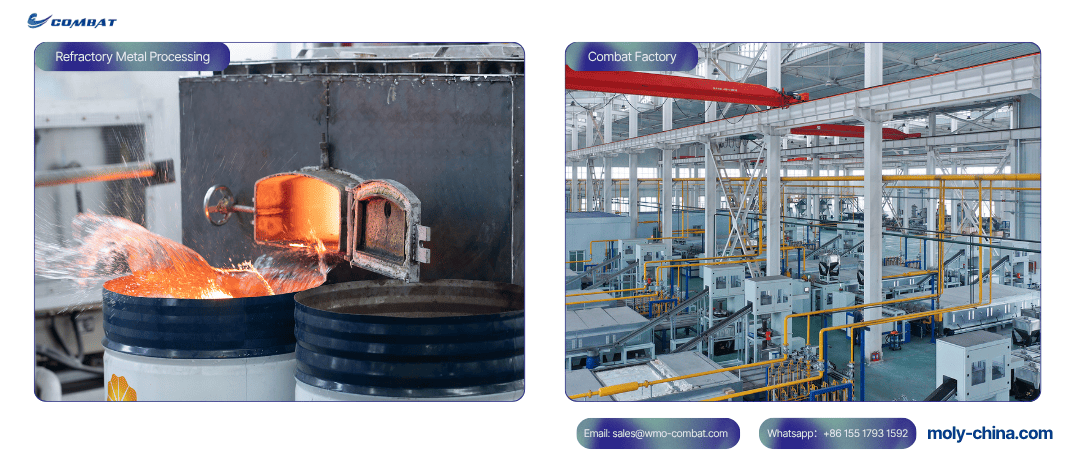
The core advantage of powder metallurgy and various auxiliary processes lies in its ability to accurately control the composition and microstructure of tungsten copper alloy to ensure stable and consistent product performance. At the same time, the process has near-net forming capability, which can reduce subsequent processing steps and lower the production cost of tungsten copper alloy.
It should be noted that the size of the powder particles directly affects the alloy density after sintering. The finer the particles, the higher the sintering density and the better the performance.
Future development trends of tungsten copper alloys
In the future, the manufacturing process of tungsten copper alloy will develop in the direction of refinement and high efficiency. New technologies such as ultrafine/nanopowder sintering and injection molding will be widely used. These technologies can further improve the density and properties of alloys while reducing production costs.
With the rapid development of high-end fields such as aerospace, semiconductors, and new energy, the application of tungsten copper alloys will become more widespread. Especially in the fields of semiconductor chips, extreme aerospace components, etc., the characteristic requirements for high-end tungsten copper alloys are constantly increasing, which will promote the development of tungsten copper alloys towards high-end.
Frequently Asked Questions about Tungsten Copper Alloy
Q1: Tungsten-copper alloy vs. Copper Alloys (Brass, Bronze): What's the Difference?
The core differences lie in composition and performance: brass and bronze are resistant to high temperatures and are far less hard than tungsten-copper alloys, and have no resistance to arc ablation; tungsten-copper is suitable for high-end extreme scenarios, and the latter two are mostly used in ordinary machinery and decoration.
Q2: Tungsten-copper alloy vs. Pure Tungsten: Which is Better for Your Project?
Pure tungsten will break and collapse if slightly impacted or bent. Processing pure tungsten requires special tools such as diamond and cemented carbide, which is difficult and costly.
Compared with pure tungsten, tungsten-copper alloy has the toughness and ease of processing of copper, greatly reducing the processing difficulty and allowing processing to be completed without the need for special tools.
Q3: How to store tungsten copper alloy components?
Three core points: the storage environment is dry (humidity < 65%), away from contraindicated substances such as acid and alkali, colloidal graphite, etc., and sealed and stored dry after cleaning.
Q4: The service life of tungsten copper alloy under high temperature and high pressure?
There is no fixed standard. Qualified components below 2000℃ can be used stably for more than 1,000 hours; high-temperature and high-pressure environments require the selection of high tungsten ratio alloys to extend life.
Q5: Is tungsten-copper alloy environmentally friendly? Can it be recycled?
Environmentally friendly and free of harmful substances, with high recycling rate, can be used again in production after reprocessing and proportioning, reducing costs.
Conclusion
If you need to customize the appropriate tungsten-copper alloy solution (including composition ratio, performance optimization, and component processing) according to specific application scenarios, please contact Combat's professional team. We will rely on 17 years of experience in tungsten-molybdenum industry to provide you with products that meet industrial standards and the best tungsten-copper alloy prices.