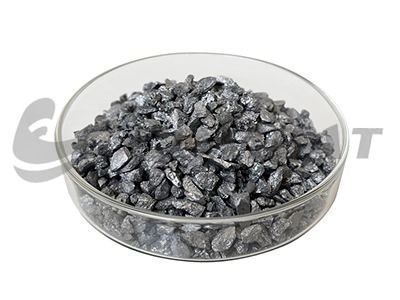


What Are Applications Of Tungsten Copper Alloys?
作者:kangbote 时间:2026-10-26 14:05:41
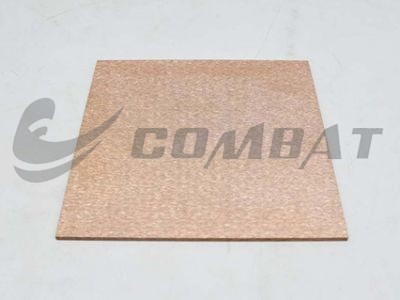
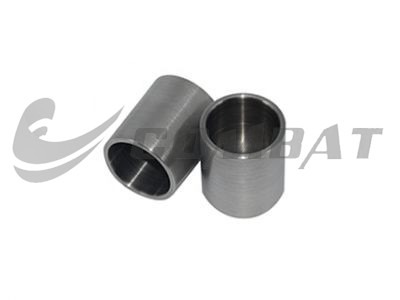
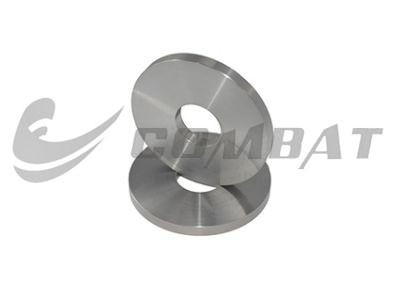
Tungsten copper alloy is mainly used for simultaneous needs high temperature resistance, arc erosion resistance, wear resistance, electrical or thermal conductivity of the components. Typical products include high-voltage switch contacts, vacuum interrupter contacts, spot welding electrodes, EDM electrodes, power semiconductor heat dissipation backplanes and some high-temperature plasma components.
If you are evaluating tungsten copper alloy applications, the key is not simply to judge whether tungsten copper performance is good or not, but to confirm whether it can match the actual current, temperature, thermal cycle, contact pressure, wear mechanism and connection method.
What Is a Tungsten Copper Alloy?
Copper tungsten alloy is a 1 kind of metal matrix composite material composed of tungsten phase and copper phase. It is usually not through ordinary smelting to form a uniform solid solution, but the use of powder metallurgy, press sintering, liquid copper infiltration or other composite processes.
Tungsten has a high melting point, high hardness, low thermal expansion and good high temperature stability. Copper has high electrical and thermal conductivity. The combination of the two allows the material to remain relatively stable in arcing, thermal shock and mechanical wear environments, while conducting current and heat away.
WCu alloy properties depends on tungsten content, copper phase continuity, porosity, interface bonding, manufacturing process and subsequent processing. Generally speaking, when the tungsten content is increased, the material is more conducive to arc erosion resistance, wear resistance and thermal expansion control; when the copper content is increased, the material is usually more conducive to electrical conductivity, thermal conductivity and connection processing.
Tungsten copper is not "more heat-resistant pure copper", nor is it "more conductive pure tungsten". Its value lies in combining the advantages of two materials into the same component.
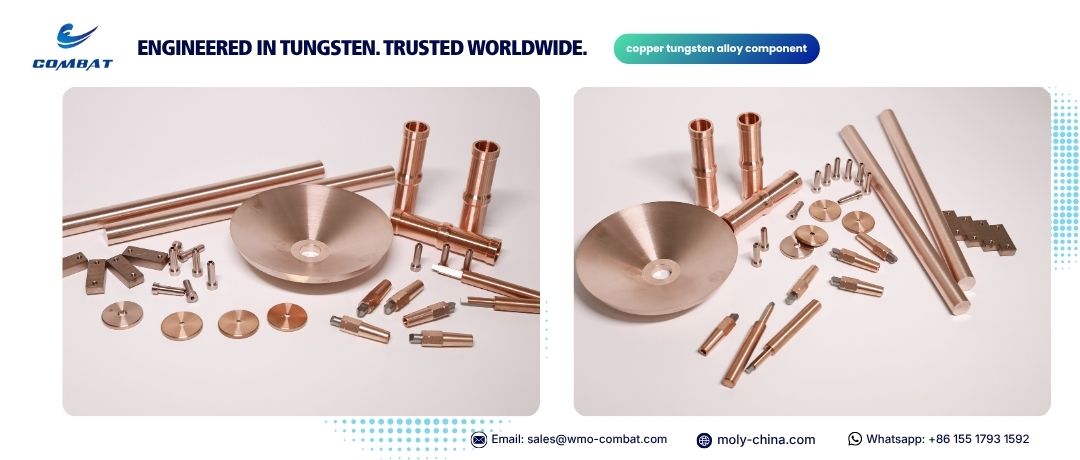
What Are the Main Applications of Tungsten Copper Alloys?
The following table is used to quickly determine whether a typical application meets the material logic of Wcu copper.
|
Application |
Why CuW Fits |
Typical Component |
Main Check |
|
High-voltage switching |
Arc erosion resistance and dimensional stability |
Switching contacts and arcing contacts |
Current, voltage, arc duration, contact force |
|
Vacuum switching |
Resistance to contact welding and thermal shock |
Vacuum interrupter contacts |
Vacuum compatibility, surface finish, joining |
|
Resistance welding |
High-temperature strength and wear resistance |
Welding electrodes and electrode caps |
Weld current, duty cycle, cooling, tip geometry |
|
EDM |
Electrical conductivity and controlled erosion behavior |
EDM electrodes and inserts |
Polarity, pulse settings, flushing, wear ratio |
|
Power electronics |
Thermal spreading with controlled expansion |
Heat sinks and semiconductor baseplates |
Thermal expansion match, flatness, brazing |
|
Plasma and high-temperature systems |
Refractory skeleton with conductive copper phase |
Electrodes and heat-loaded inserts |
Thermal gradient, cooling path, operating atmosphere |
Electrical Contacts and Switching Components
Why is tungsten copper alloy used for electrical contacts? Because the contact will be subjected to arc, local melting, material evaporation, mechanical impact and repeated thermal cycles during the opening process. Pure copper has good conductivity, but in the strong arc environment may appear obvious corrosion, material migration and contact welding. Although pure tungsten is resistant to high temperature, its electrical and thermal conductivity is relatively insufficient, and its processing is difficult.
Tungsten copper contacts use the tungsten phase to withstand arcing and mechanical wear, while using the copper phase to improve current conduction and thermal diffusion. Therefore, tungsten coppers contacts are often used in high-voltage switches, load switches, vacuum switchgear and components that need to reduce contact welding.
The actual life is not only determined by the material grade. Contact geometry, contact pressure, breaking speed, arc extinguishing medium, surface roughness and connection layer quality are equally important. The design team should evaluate materials in combination with realistic breaking waveforms and thermal cycling conditions, rather than comparing individual properties in the material catalog.
Resistance Welding Electrodes
Resistance welding electrodes need to withstand high current and high contact pressure in a short period of time, and the electrode tip will also undergo repeated heating, cooling, plastic deformation and workpiece material adhesion.
Tungsten copper electrodes is suitable for spot welding, projection welding and special resistance welding scenarios that require higher wear resistance and heat resistance. Tungsten copper is generally more able to maintain tip geometry than ordinary copper electrodes; it conducts welding current and heat more efficiently than pure tungsten.
Material selection can not only pursue higher tungsten content. If the main problem is current transmission and heat dissipation, a higher copper content may be more appropriate; if the main problem is tip wear, adhesion or high temperature deformation, a higher tungsten content and cooling structure should be considered.
EDM Electrodes
The advantage of tungsten copper alloy for EDM electrodes is the combination of conductivity, heat resistance and dimensional stability. It is suitable for hard alloy, die steel and other difficult to process materials, especially suitable for the electrode needs to keep the edge clear, shape stability or withstand high discharge energy scene.
EDM machining results are also affected by electrode polarity, pulse parameters, working fluid, flushing conditions and electrode shape. If the electrode has high porosity or uneven distribution of the copper phase, discharge instability, edge chipping and degradation of the machined surface quality may occur.
Therefore, the material density, tissue uniformity, dimensional tolerance, surface quality and processing direction should be confirmed at the same time when purchasing EDM electrodes, instead of only "copper tungsten material".
Heat Sinks and Power Semiconductor Baseplates
Is tungsten copper suitable for heat sinks? It is usually suitable in high-power electronic applications that need to control thermal expansion and improve package reliability, but it is not the default choice for all heat sinks.
Pure copper has a strong heat dissipation capacity, but its thermal expansion coefficient is higher than many ceramics, semiconductors and packaging materials. When temperature cycling, large expansion differences may lead to solder layer fatigue, interface peeling and increased chip stress. By increasing the proportion of tungsten, tungsten copper can reduce the overall thermal expansion, while retaining a certain thermal diffusion capacity.
Therefore, tungsten copper heat sink, power module backplane, thermal diffusion sheet and RF device package base may all use WCu. The design should also check the thermal resistance, flatness, surface roughness, solder wettability, and thermal expansion matching with the ceramic or chip material.
Pure copper, copper molybdenum or other composite materials may be more cost-effective if the system only pursues the lowest thermal resistance. The main value of tungsten copper is often balancing thermal management capabilities with package reliability.
How to Choose Tungsten Copper Alloy for Electrodes?
How to choose tungsten copper alloy for electrodes, first determine the current, pulse, thermal cycling, wear, cooling, and connection conditions, and then strike a balance between conductivity, wear resistance, arc resistance, and processing difficulty.
The following table is a common tungsten copper alloy ratio of the engineering direction. The actual performance will be affected by the manufacturing process, density, porosity and detection method, so the ratio can not be regarded as the only acceptance basis.
|
Grade Direction |
Tungsten Level |
Main Advantage |
Main Trade-off |
Typical Direction |
|
W50Cu50 |
Medium |
Better electrical and thermal transport |
Lower erosion resistance |
Conductive inserts and moderate-duty electrodes |
|
W70Cu30 |
High |
Balanced conductivity and erosion resistance |
Requires process consistency |
Switching contacts and welding electrodes |
|
W80Cu20 |
Higher |
Improved arc and wear resistance |
Lower conductivity and harder joining |
High-duty contacts |
|
W90Cu10 |
Very high |
Low expansion and strong refractory behavior |
Lower conductivity and higher machining difficulty |
Severe arc or wear conditions |
W70Cu30 is often an initial candidate for medium to high load applications because of its balance between electrical conductivity, arc resistance, and manufacturability. However, high tungsten ratios such as W90Cu10 may be more valuable if the component requires very low thermal expansion or is subject to extreme arc erosion.
High tungsten grades are not always better. It may result in lower electrical conductivity, higher processing difficulties, and more complex brazing and joining requirements. High tungsten materials should be preferred only if the actual risk of failure justifies these costs.
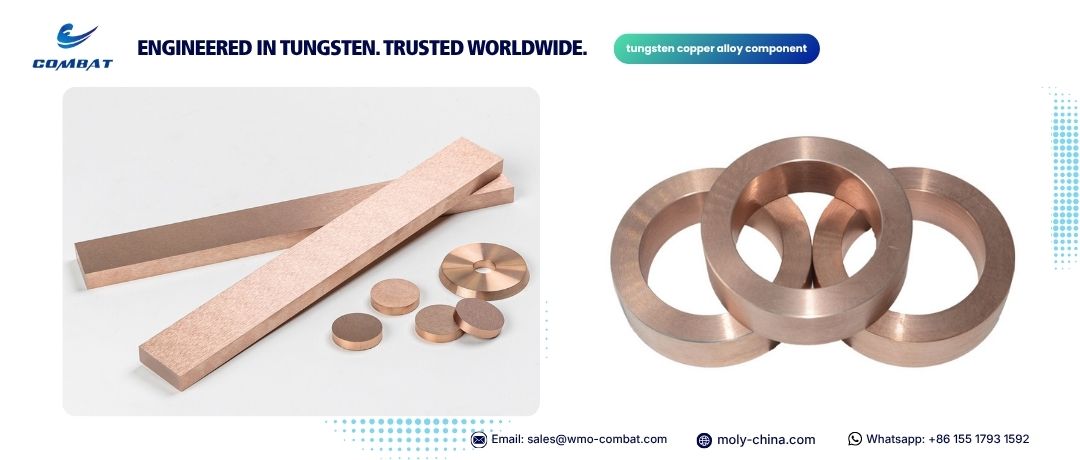
How to Specify Tungsten Copper Alloy Components?
How to specify tungsten the copper alloy components, with a focus on separating material, geometry, fabrication, connection, and verification conditions.
The description "Supply coffee tungsten contact, high quality, suitable for high voltage" is too vague. It does not specify tungsten content, density, surface state, connection mode, working current, breaking conditions or inspection method, and different suppliers may quote according to completely different understandings.
A more reliable specification should specify at least the nominal WCu ratio or allowable range, lower density limit, critical dimensions and tolerances, flatness, surface roughness, joint area, brazing or diffusion bonding requirements, porosity or defect limits, batch traceability and sample verification conditions.
|
Specification Area |
Ambiguous Wording |
Better Requirement |
|
Material |
Copper tungsten |
W70Cu30 composite with defined tolerance |
|
Density |
High density |
Minimum density and test method |
|
Surface |
Finished surface |
Roughness, flatness, and defect limits |
|
Joining |
Brazed to copper |
Joint area, filler, void limit, and inspection method |
|
Electrical duty |
High current |
Current, voltage, pulse duration, duty cycle, and cooling |
|
Traceability |
Quality guaranteed |
Batch number, inspection record, and certificate |
For high-voltage contacts, welding electrodes and heat sink plates, it is recommended to separate the sample verification from the batch acceptance. In the sample stage, the behavior of the material under real thermal, electrical and mechanical conditions shall be confirmed; in the batch stage, the density, size, surface defects, connection quality and batch consistency shall be mainly controlled.
What Causes Tungsten Copper Contact Failure?
What cause tungsten copper contact failure is usually not a single material problem, but the result of the combined action of arc energy, structural design, contact pressure, cooling, porosity or connection quality.
If the contact surface quickly forms pits, it may be related to excessive arc energy or inappropriate contact geometry; if the contact is welded, it may be related to excessive temperature rise, improper contact pressure control or insufficient cooling; if the brazing interface Cracks, you need to check the thermal expansion mismatch, wettability and connection layer voids.
During the investigation, the material should not be directly replaced with a higher tungsten content grade. It is more reasonable to confirm the root cause through resistance measurement, surface microscopic observation, cross-sectional analysis, thermal test and connection layer inspection before deciding whether to adjust the material, structure, process or operating parameters.
Frequently Asked Questions About Tungsten Copper Alloys
Q:What Are the Main Applications of Tungsten Copper Alloys?
Tungsten copper alloy is mainly used in high voltage and vacuum electrical contacts, resistance welding electrodes, EDM electrodes, power electronic heat dissipation base plate, heat diffusion parts, and some plasma and high temperature components. It is suitable for scenarios that require both electrical and thermal conductivity, arc resistance and low thermal expansion.
Q: Which Tungsten Copper Grade Is Best for Electrodes?
Tungsten copper is used for electrical contacts because the tungsten phase can withstand arc erosion and mechanical wear, and the copper phase helps conduct current and spread heat. Compared with pure copper, it usually has better arc resistance; compared with pure tungsten, it has better electrical and thermal conductivity.
Q:How to Choose Tungsten Copper Alloy for Electrodes?
Current, pulse, thermal cycling, wear and cooling conditions for welding or EDM should be determined before balancing conductivity, wear resistance, arc resistance and machining difficulty. W70Cu30 can be used as initial candidates for many medium and high load conditions, but it still needs to be verified by actual samples.
Q:Is Tungsten Copper Suitable for Heat Sinks?
Tungsten copper is suitable for thermal management components that need to control thermal expansion and improve package reliability, especially power semiconductor backplanes and thermal diffusers. Pure copper or other materials may be more economical if the system seeks only the highest thermal conductivity without significant thermal expansion mismatch issues.
Q: Is Tungsten Copper Better Than Pure Copper?
Not in every application. Pure copper generally offers higher electrical and thermal conductivity and may be more economical when those properties dominate. Tungsten copper is worth considering when arc erosion resistance, wear resistance, or a lower coefficient of thermal expansion is also required.
Q:What Is the Difference Between W70Cu30 and W90Cu10?
W70Cu30 contains more copper, usually in the electrical conductivity, thermal conductivity, arc resistance and processing between the more balanced. W90Cu10 the higher tungsten content, wear resistance, low thermal expansion and arc resistance are usually more emphasized, but conductivity, processability and connection difficulties are more challenging.
Q: How Is Tungsten Copper Alloy Manufactured?
Tungsten copper is commonly produced through powder metallurgy and related composite processes. Depending on the copper tungsten grade, manufacturing may include powder preparation, pressing, sintering, copper infiltration, machining, and inspection. The exact process affects density, microstructure, conductivity, and final component quality.
Q: How Can I Choose a Reliable Tungsten Copper Supplier?
Evaluate the Wcu copper alloy supplier's material capability, manufacturing process, machining accuracy, quality documentation, batch traceability, engineering support, and sample-validation process. Provide the application, material grade, drawing, quantity, and critical performance requirements so suppliers can quote against comparable technical specifications.
Conclusion
The core value of tungsten copper alloy is not the absolute highest performance, but to provide a comprehensive balance when current, heat, arc, wear and thermal expansion exist at the same time. If your project involves electrical contacts, welding electrodes, EDM electrodes or power module heat sinks, it is recommended to establish a technical specification including working conditions, dimensions, WCu ratio, density, connection methods and detection methods, and then require Wcu alloy suppliers to submit samples and verification data according to the same conditions. This is more helpful in controlling long-term failures and batch differences than simply comparing prices per kilogram.
COMBAT supports application-oriented tungsten and tungsten copper component inquiries. Share your WCu grade, drawing, dimensions, quantity, and performance requirements to begin a technical discussion about material selection and custom manufacturing.